The Off-Market Edge: How Miami’s Sharpest Investors Find Distressed Deals Before the MLS
On the MLS, every Miami deal has already been seen by a hundred buyers. The investors winning on margin are working the county’s public records months earlier — here is how the off-market edge actually works.
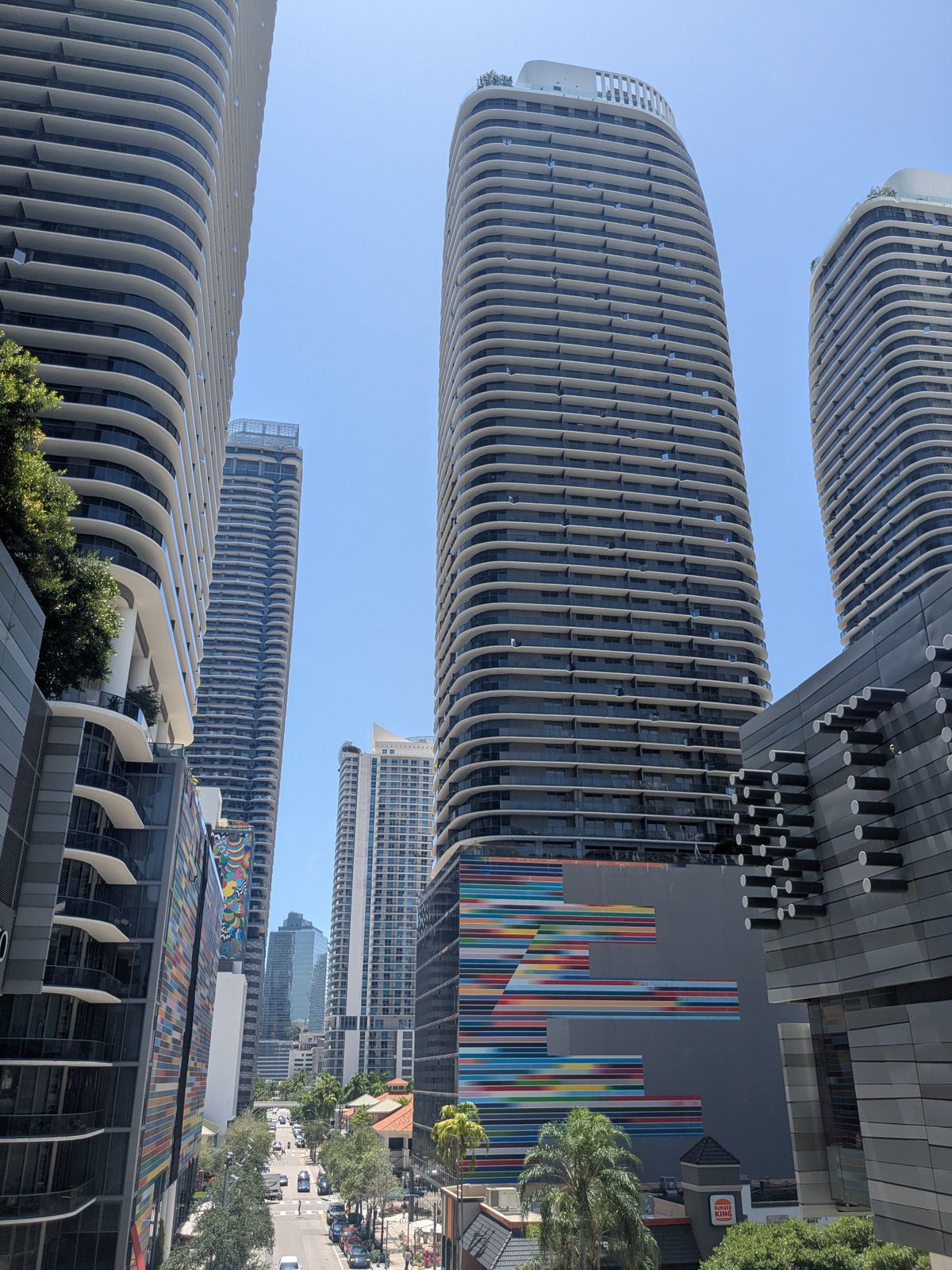
By the time a Miami property reaches the Multiple Listing Service, the contest is effectively over. The listing agent has set the price, the photographs have been staged, and within hours the address has been pushed to every portal, every saved search, and every investor’s inbox in South Florida. Whatever discount once existed has been competed away before the first showing.
The investors who consistently buy below market in Miami-Dade are not faster on the MLS. They are not on it at all. They are working a different clock — the public-record clock — that runs months ahead of the listing.
Why the listed market is a margin trap
Miami is the most internationally contested housing market in the United States. Foreign buyers account for roughly 15% of purchases here — about seven times the national rate — and a wall of domestic capital sits on top of that. When a distressed home finally lists, it is not one offer against the seller; it is a dozen offers against each other. Competition is the enemy of yield, and the MLS manufactures competition by design.
Competition is the enemy of yield, and the listed market manufactures competition by design.
The deal you want is the one nobody else knows is a deal yet. That property exists today — it is simply still in the public record rather than on a portal.
What the public record sees first
Long before an owner calls an agent, the pressure that eventually forces a sale shows up in county data. A code violation is filed. A lien is recorded. A permit stalls for 180 days. A finance referral is logged. A lis pendens — the first legal step of foreclosure — appears in the court index. Each of these is a public, dated, addressable fact, and each precedes the decision to sell.

Individually, any one signal is noise — plenty of owners resolve a violation and move on. The edge is in the stacking. An owner fighting the county, the bank, and their own balance sheet at the same time is an owner whose options are narrowing. That is a seller, months before they know it.
The window that matters
There is a window — roughly day 30 to day 90 after a distress signal escalates — when the owner still has choices and has not yet picked an agent or fielded a single offer. Reach them inside that window and your offer may be the only one they see. Reach them after the listing and you are bidder number eleven.
From haystack to shortlist
The objection is obvious: Miami-Dade has over a million parcels and a firehose of public records. Reading them by hand is not a strategy. This is exactly the problem the ListoScore was built to solve — it ranks every distressed property on how likely it is to transact, so a one-person operation can work the few hundred addresses that matter instead of the million that don’t.
- Stop bidding on listed inventory where the discount is already gone
- Work the 30–90 day window after distress escalates, before the owner lists
- Score and rank by likelihood-to-transact instead of reading raw records
- Lead with a single, informed, off-market offer — not the eleventh bid
The edge compounds
Off-market sourcing is not a one-time trick; it is a system that pays back every month the records refresh. The first deal covers the cost of the data many times over. The discipline — reach owners early, lead with information, never compete on a crowded listing — turns Miami’s brutal competition from a liability into someone else’s problem.
What does “off-market” actually mean in Miami real estate?▾
A property whose owner has not yet listed it for sale. The signals that predict a sale — code violations, liens, lis pendens, stalled permits — are public county records that appear months before any MLS listing, which is where the off-market edge comes from.
Is buying from public-record distress signals legal?▾
Yes. Code violations, liens, permits, and lis pendens filings are public records in Miami-Dade County. ListoScore organizes and scores that public information; how you choose to make contact is governed by ordinary marketing and solicitation rules.
How early can a property be flagged before it sells?▾
In ListoScore’s graded scorecard, many “Very High” properties were flagged months before the qualified sale recorded — see the public Track Record page for the live numbers.
ListoScore scores every distressed Miami-Dade property on how likely it is to sell next — see the off-market shortlist on the live map.
Open the map →